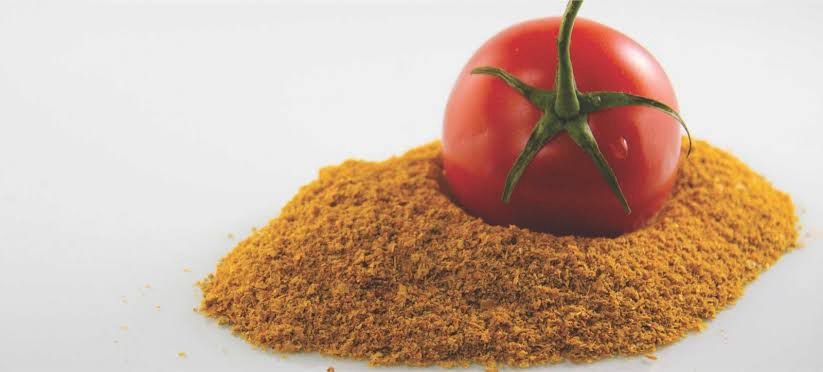
omato (Solanum lycopersicum) is the second largest vegetable crop in the world.
The amount of waste it generates worldwide is estimated at 50,000 tons/year, and
its disposal causes a negative impact on the environment. Tomato pomace is an industry
co-product that, depending on the type of processing and the source of the raw tomatoes,
includes variable proportions of skins, seeds and a small amount of pulp,
representing about 4% of the original whole tomato weight.
Tomato (Solanum lycopersicum) is the second largest vegetable crop in the world. The amount of waste it generates worldwide is estimated at 50,000 tons/year, and its disposal causes a negative impact on the environment. Tomato pomace is an industry co-product that, depending on the type of processing and the source of the raw tomatoes, includes variable proportions of skins, seeds and a small amount of pulp, representing about 4% of the original whole tomato weight.
. Tomato pomace is a by-product of tomato processing, divided into peel, pulp, and tomato seeds, Tomato pomace contains nearly 33% seeds, 27% peel, and 40% pulp, while dried pomace contains approximately 44% seeds and 56% peel and pulp
Management of TP is considered to be an important issue for tomato processing companies. Because it is rich in nutrients and water, it easily breeds corruption, produces flies, and pollutes the environment Therefore, the recycling of TP is of great significance. In addition to being rich in protein, fat, minerals, fatty acids, and amino acids, TP is rich in other bioactive compounds with antioxidant properties, such as lycopene, beta-carotenoids, tocopherols, polyphenols, and terpenes.
To obtain an efficient livestock production, appropriate feeding, health care, and breed selection and development are needed to perform. Feeding is considered to be the most important key factor in enhancing the livestock productivity. Roughage source recently becomes scared, and concentrate feed cost is keeping growing up. Tomato pomace (TP) contains major nutritive values which might be useful. Thus, the aim under this review was to literate on the nutritious value of TP, utilization as feed for Ruminants, and its effect on nutrients intake and apparent digestibility, and ruminal fermentation. The result showed offering diet containing TP significantly increased the nutrients intake and apparent digestibility such as, dry matter, organic matter, and crude protein. The ruminal fermentation was significantly influenced by the diet contained TP, increasing acetic and propionic concentration and also acetic to propionic ratio. The total VFA was also increased by TP. However, ammonia nitrogen was not significant. Growth performance and carcass traits were not significant with TP based diet, except CP and fat composition in carcass. TP supplementation increased milk fat composition and promoted protein yield. The methane emission trended to be significant lower in diet existing TP. From this review, TP could be used as a supplement ingredient for ruminant without adverse effect.
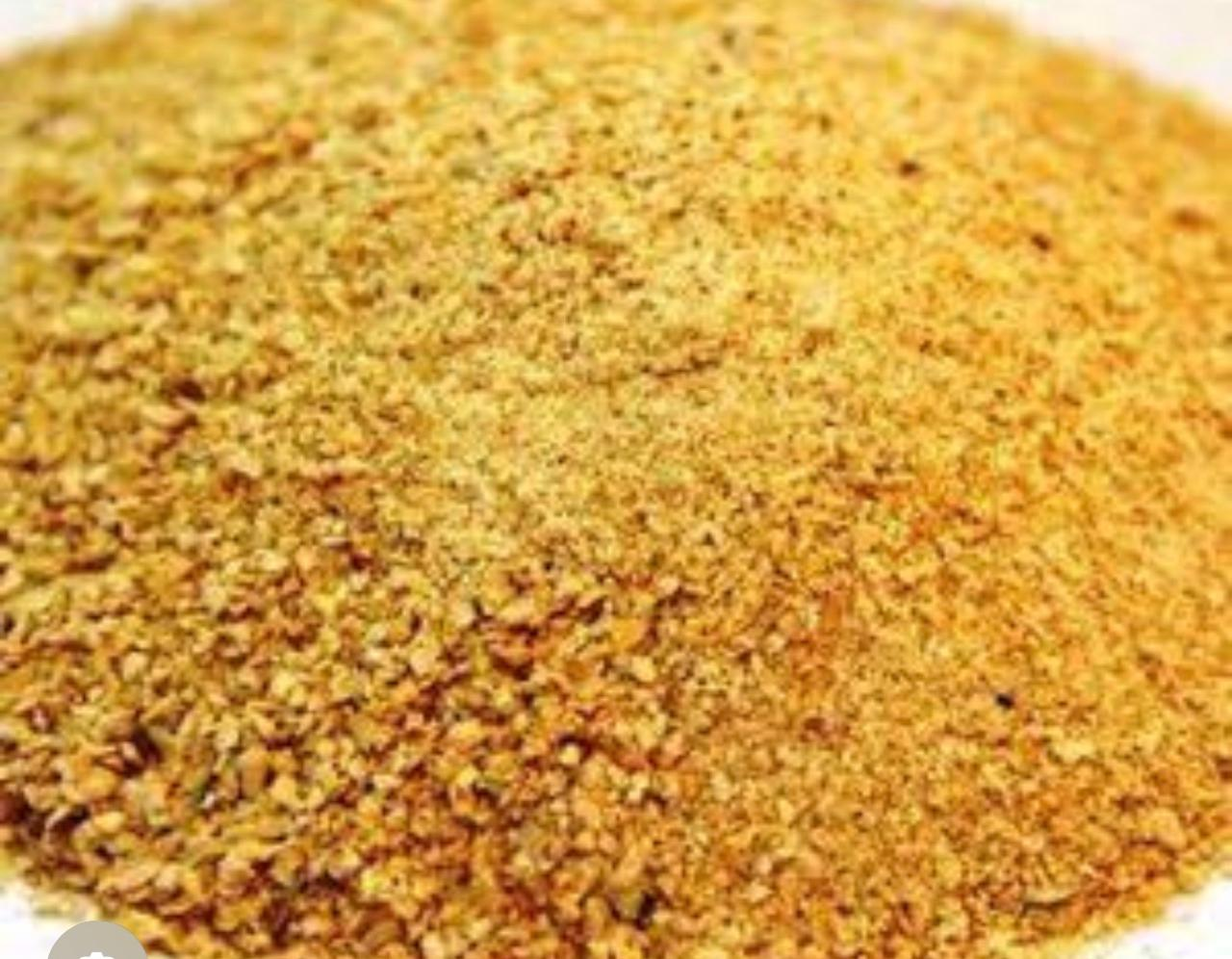
Citrus pulp( orange waste)
Citrus Pulp is a by-product obtained from the citrus juice industry.
Citrus Pulp is a by-product obtained from the citrus juice industry.
Classified as an energy feed, it could replace a portion of feeds with the same characteristics as grains such as kibbled maize. However, CPP should not exceed approximately 30% of the diet. If feeding 4kg DM CPP or more, cows should be transitioned to the feed. In this instance, it is advised to feed half rates initially before moving to full rates.
Nutritional Benefits
Citrus Pulp has a highly soluble carbohydrate and highly digestible fiber content, making it a good energy source. It has excellent palatability.
Research has indicated that citrus pulp could increase the fat content in milk, likely by increasing the production of acetic acid in the rumen and the quality and quantity of NDF.
In addition to its value as a dietary supplement, it contains an essential oil called Limonene. This compound has been shown to have antimethanogenic properties in vitro.